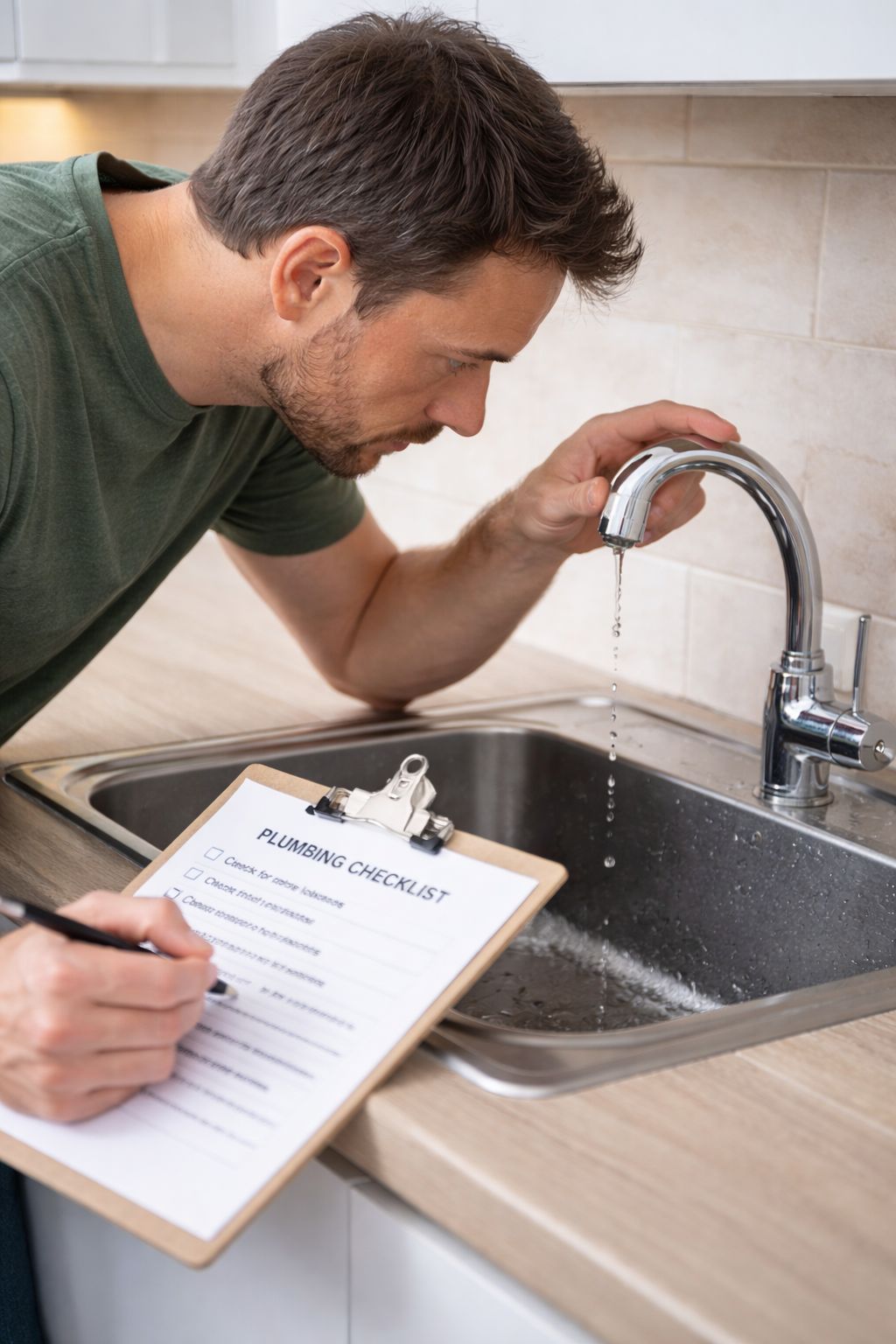
A well-maintained plumbing system keeps your home running smoothly and prevents expensive issues from catching you by surprise. Most homeowners only notice a plumbing problem when something goes wrong, but small checks done regularly can save you from major leaks, water damage, and emergency callouts. A simple plumbing checklist helps you stay ahead of blocked drains, hidden leaks, and ageing pipes so you can protect your home and avoid costly repairs.
Whether you live in an older property on the Northern Beaches or a recently renovated home, preventive maintenance is essential. The coastal climate, salt air, and high water pressure can speed up wear and tear on pipes, fittings, and fixtures. This guide walks you through the most important plumbing checks every homeowner should perform to keep their system safe and efficient.
Inspect Taps, Showers, and Fixtures
Leaking taps and dripping showerheads might seem minor, but they waste water and often signal worn rubber seals or damaged internal components. Over time, leaks can lead to corrosion around basins and showers. Check for slow drips, loose handles, and mineral buildup. Fixing small issues early is cheaper than dealing with major repairs later.
Examine All Exposed Pipes
Pipes under your sink, in the laundry, or around the hot water system can show early signs of trouble. Look for moisture, rust marks, bulges, or white powdery residue; these can indicate leaks or corrosion. If your property has older copper or galvanised pipes, regular monitoring is especially important. Any visible damage should be inspected by a professional before it becomes a major leak.
Test Your Drains for Slow Flow
Poor drainage is one of the most common indicators of blocked drains. If water is draining slowly in your sinks, showers, or toilets, something may be obstructing the pipes. Hair, grease, wipes, and food scraps can build up inside your plumbing. Left untreated, this can result in overflowing drains or sewer backups. Using your checklist to test drainage helps you catch blockages before they escalate.
Check Toilets for Leaks and Running Water
A running toilet wastes large amounts of water and often points to a faulty flush valve or worn-out seal. Look for water trickling into the bowl or hissing sounds from the cistern. Also, inspect the base of the toilet for moisture, which can indicate a damaged wax seal. Early action prevents water damage to flooring and eliminates unnecessary water usage.
Inspect Your Hot Water System
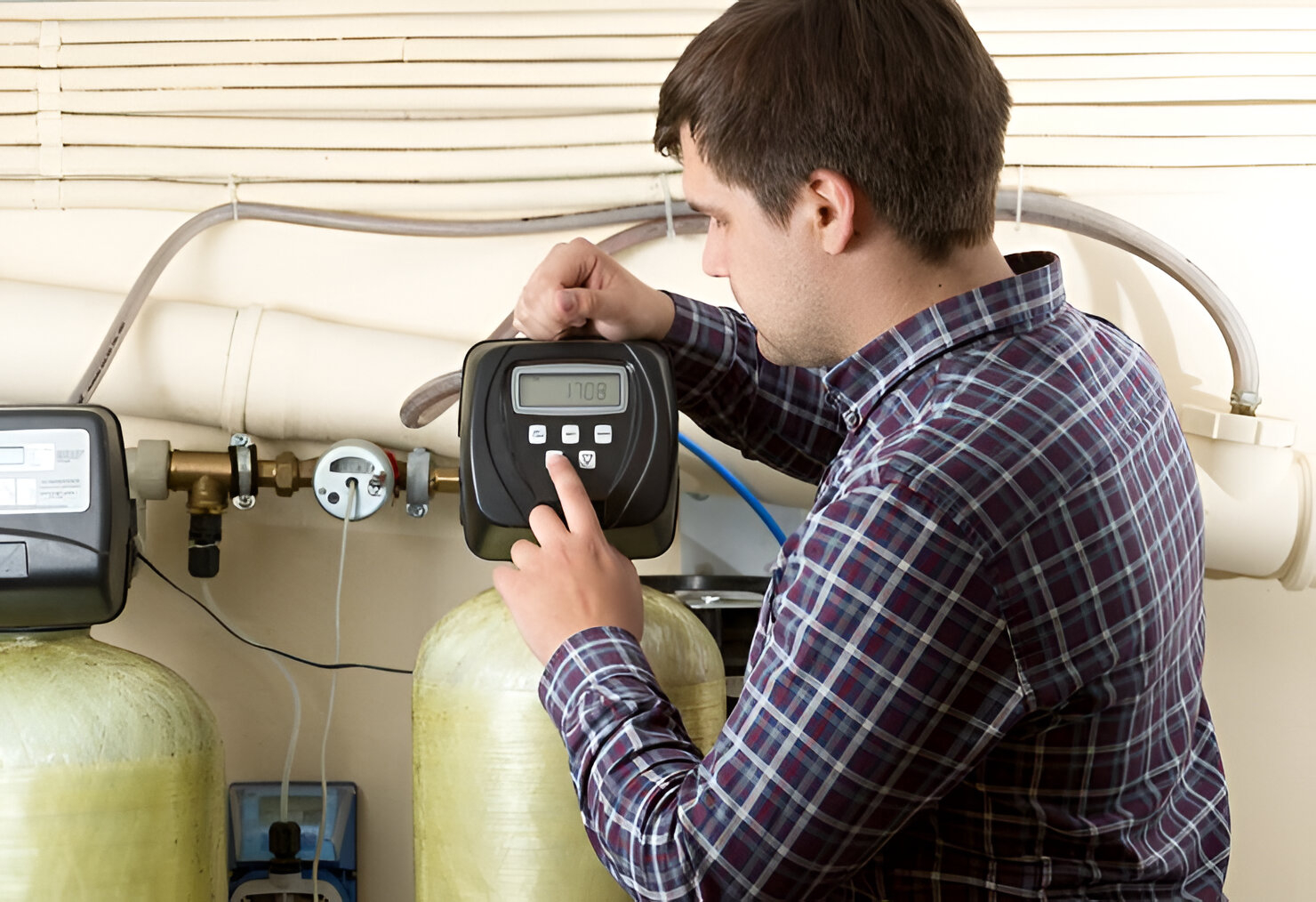
Your hot water unit should be checked regularly for leaks, rust, unusual noise, or temperature fluctuations. If the water is not heating properly or you notice water collecting at the base, the system may be nearing failure. Annual servicing helps extend its life and ensures consistent performance. Hot water issues can lead to unexpected breakdowns, so include this in your routine plumbing checklist.
Look for Signs of Hidden Leaks
Some leaks occur behind walls, under floors, or in the ceiling. Signs include damp spots, peeling paint, a musty smell, or unusual water bill increases. Hidden leaks can cause severe structural damage if not detected early. If you suspect a concealed leak, a plumber can use advanced leak detection tools to identify the source quickly.
Assess Outdoor Plumbing and Stormwater Drains
Northern Beaches homes often experience heavy rainfall. Your outdoor drains, gutters, and stormwater lines need to be clear to prevent flooding. Check for pooling water, overflowing gutters, or debris blocking the drains. Regular outdoor checks reduce the likelihood of water damage during storms.
Consider Pipe Relining for Ageing Pipes
For homes with older or damaged pipes, pipe relining is a modern, long-lasting solution. It creates a new pipe within the existing one, fixing leaks and improving flow without needing major excavation. If your pipes are prone to cracks or blockages, pipe relining may be an ideal long-term option.
Review Water Pressure Levels
High water pressure might feel good in the shower, but it places unnecessary strain on joints, pipes, and appliances. If you hear banging noises when you turn taps off, or your pressure seems unusually strong, it might be too high. A pressure regulator can protect your plumbing and extend the life of your fixtures.
Why a Plumbing Checklist Matters
Regular plumbing maintenance is widely recommended by licensed plumbers to protect homes from leaks, water damage, and unexpected system failures. A regular checklist helps you stay on top of minor issues before they turn into expensive repairs. It also gives you peace of mind, knowing your home’s plumbing is safe and efficient. By catching problems early—such as slow drains, early signs of leaks, or wear on pipes—you avoid emergencies and keep your Northern Beaches home running smoothly year-round.
How Often Should You Perform a Plumbing Checklist?
Perform basic plumbing checks every one to two months and a more detailed inspection every six to twelve months. Regular monitoring helps detect early warning signs such as leaks, corrosion, and drainage issues. Preventive maintenance reduces the risk of expensive emergency plumbing repairs and extends the lifespan of your system.
Frequently Asked Questions
