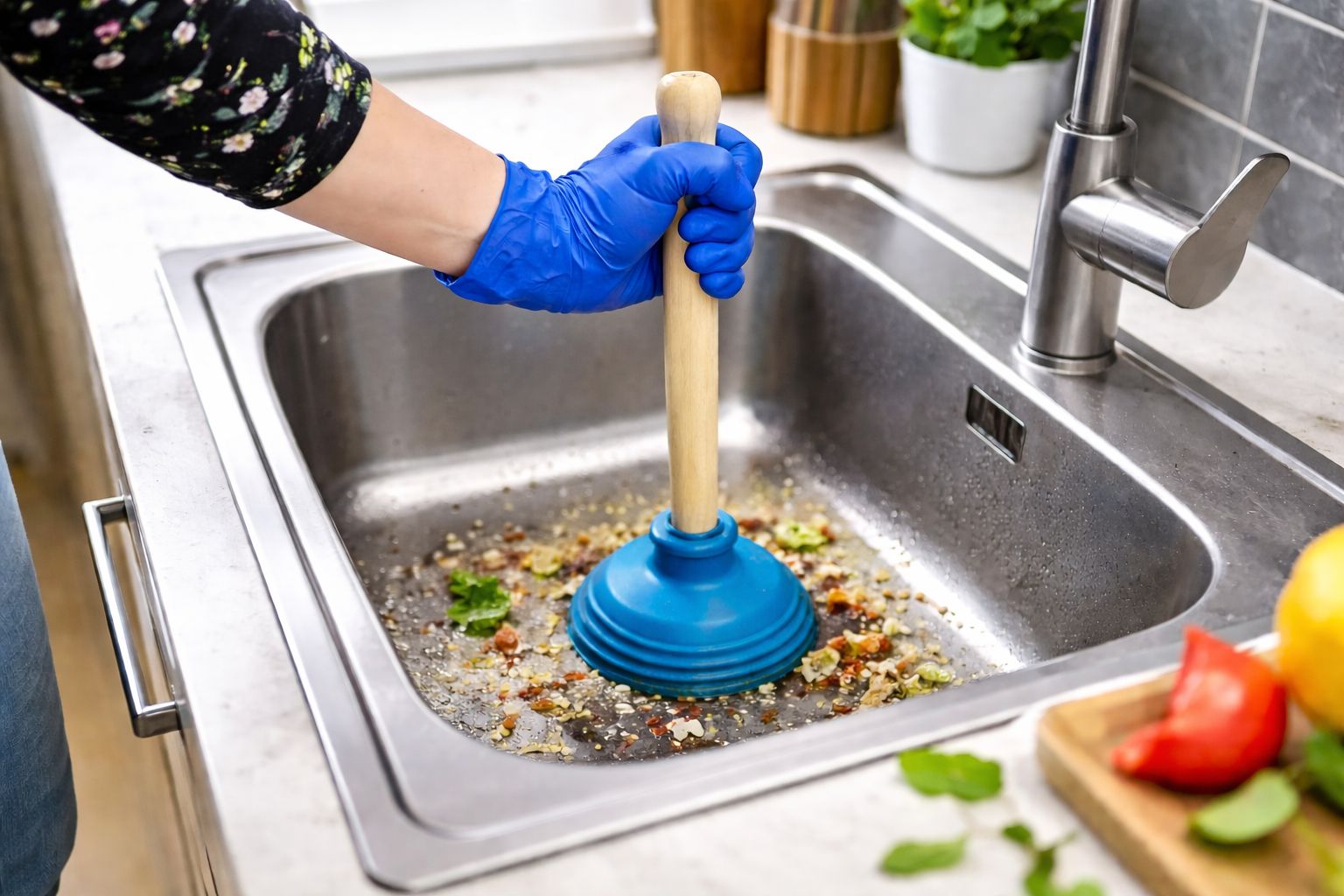
A slow-draining sink or gurgling toilet might seem like an easy fix, and with so many DIY tutorials online, it’s tempting to grab a plunger or pour chemicals down the drain. But when it comes to DIY cleaning drains, what looks like a quick solution can often cause bigger problems than you started with.
Blocked drains are one of the most common household issues across the Northern Beaches, and DIY cleaning drains often fails to fix the underlying cause. They’re also among the easiest to make worse with the wrong approach. Understanding why DIY methods fail and when to call a professional can save you time and money and prevent serious plumbing damage.
When DIY Cleaning Drains Might Be Safe
Minor issues like small soap build-up may be temporarily improved with gentle methods such as hot water or plunging. However, persistent blockages usually indicate deeper problems that require professional equipment and diagnosis.
Why DIY Drain Cleaning Isn’t as Simple as It Looks
Drains are part of a complex residential plumbing system designed to handle more than just water. Grease, hair, soap scum, food particles, and even tree roots can clog your pipes. When homeowners attempt DIY drain cleaning, they often treat the symptom rather than the cause.
Pouring hot water, baking soda, or harsh chemical cleaners might seem effective, but these quick fixes can corrode pipes, damage seals, and push blockages deeper into the system. Over time, this can lead to leaks, burst pipes, and costly repairs that could have been avoided with professional help.
The Hidden Dangers of Chemical Drain Cleaners
Most off-the-shelf drain cleaners rely on strong acids or alkalis to break down grease and debris. While they may temporarily clear the blockage, these chemicals generate heat that can soften PVC pipes or corrode metal pipes.
Other issues include:
- Harmful fumes that can irritate your lungs and eyes.
- Chemical burns if splashed on the skin.
- Residue build-up that causes future blockages.
- Environmental damage if flushed into waterways.
Professional plumbers use specialised, environmentally safe equipment such as hydro-jetters and CCTV drain cameras, not chemicals, to identify and clear clogs without harming your plumbing.
DIY Tools Often Make Blockages Worse
Many homeowners use coat hangers, cheap drain snakes, or plungers incorrectly when attempting DIY cleaning drains. These tools might seem helpful, but they can easily scratch pipe interiors, dislodge seals, or jam debris even deeper.
Plumbers use advanced equipment like electric drain augers and high-pressure water jets, which completely remove blockages while cleaning the pipe walls. This ensures a long-term fix rather than a temporary patch.
How Professionals Handle Blocked Drains
When you call a licensed plumber for blocked drains in the Northern Beaches, they’ll begin with an inspection using a CCTV drain camera. This allows them to pinpoint the exact cause — whether it’s a grease build-up, tree roots, a collapsed pipe, or a foreign object.
Once the issue is identified, they’ll select the best solution:
- High-pressure jetting to clear grease and debris.
- Mechanical augering for tougher obstructions.
- Pipe relining or repair for cracked or damaged sections.
This approach not only removes the immediate blockage but also prevents future problems from recurring.
Common Causes of Blocked Drains in the Northern Beaches
- Tree roots: Common in older suburbs like Newport and Balgowlah, they infiltrate underground pipes in search of moisture.
- Grease and fat build-up: Frequent in kitchen sinks, solidified oil restricts flow.
- Foreign objects: Wet wipes, nappies, or sanitary items often block toilets.
- Hair and soap scum: Bathroom drains frequently clog due to everyday use.
- Aged or damaged pipes: Corrosion and cracks reduce flow efficiency.
Understanding these causes helps you spot early warning signs – slow-draining water, gurgling noises, foul odours, or pooling near drains before they become emergencies.
Why Professional Plumbing is Worth It
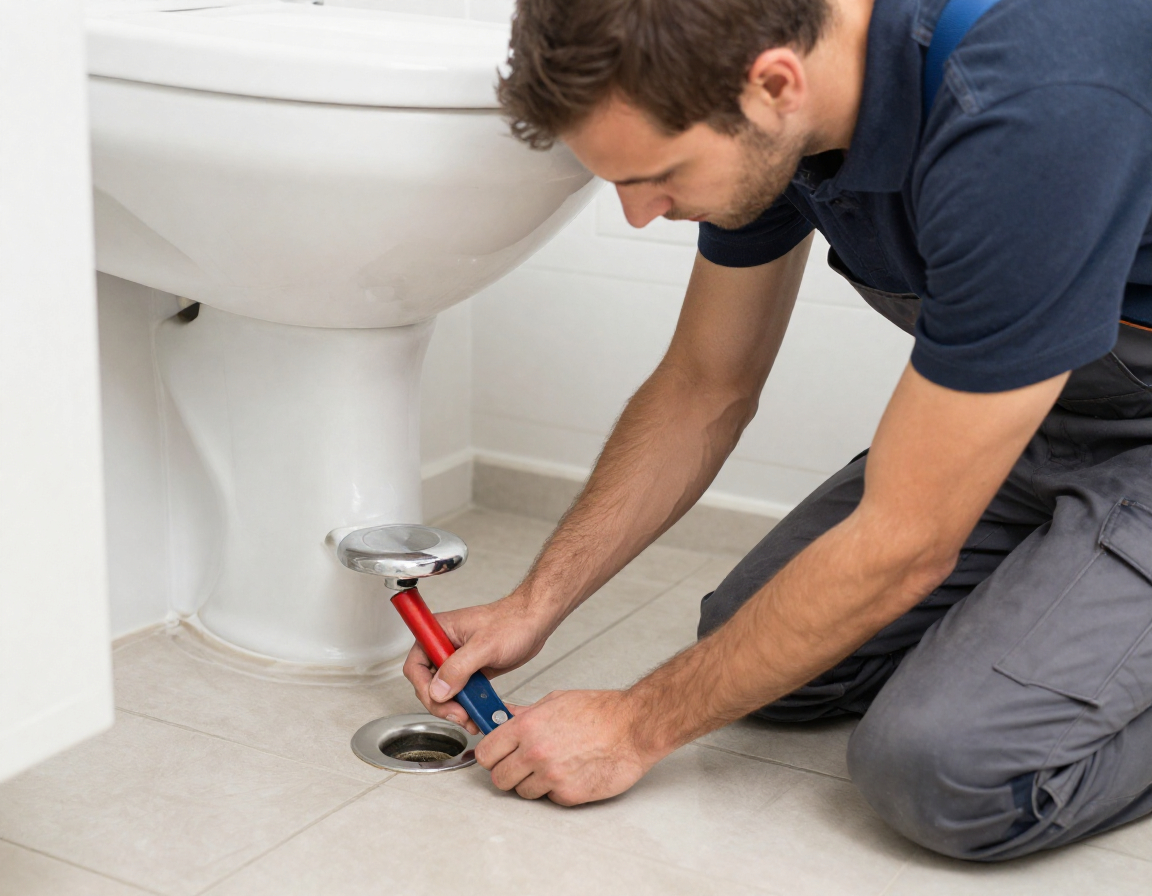
Hiring a licensed professional for your residential plumbing ensures safety, compliance, and lasting results. Unlike DIY methods, professional services offer:
- Accurate diagnosis using modern equipment.
- Repairs that meet Australian plumbing standards.
- Long-term warranties on workmanship.
- Preventive maintenance to stop future blockages.
The best part? Local plumbers in the Northern Beaches respond quickly, saving you the stress of worsening damage.
Preventive Tips to Avoid Blocked Drains
While professional intervention is often necessary, a few habits can help keep your drains healthy:
- Don’t pour fats or oils down the sink.
- Use sink strainers to trap food and hair.
- Flush drains occasionally with hot (not boiling) water.
- Schedule annual plumbing inspections.
- Fix slow drains before they turn into full blockages.
These small changes reduce the risk of needing emergency plumbing services.
Frequently Asked Questions
